



Autotaxin
Autotaxin (ATX), encoded by ENPP2, is a secreted lysophospholipase D that catalyzes the conversion of lysophosphatidylcholine into lysophosphatidic acid (LPA), thereby serving as a major extracellular source of LPA signaling[1][2]. Mechanistically, the ATX-LPA axis regulates cell migration, proliferation, survival, and other growth factor-like responses through LPA receptor activation, placing ATX at the center of lipid-mediated intercellular communication[1][2][3]. Because LPA influences diverse biological processes across multiple tissues, ATX contributes to vascular development, neural development, wound responses, inflammation, and tumor-associated cellular behavior in experimental systems and human disease contexts[2][3][4]. In disease models, increased ATX expression or activity has been associated with chronic inflammatory disorders, fibrotic conditions, and multiple cancer types, supporting extensive investigation of the ATX-LPA pathway as a therapeutic target[3][4]. Compared with related members of the ectonucleotide pyrophosphatase/phosphodiesterase (ENPP) family, ATX is distinguished by its extracellular lysophospholipase D activity and its direct participation in LPA production and signaling, a property not shared by other ENPP proteins[3]. For experimental applications, genetic and pharmacological inhibition of ATX is widely used to modulate extracellular LPA generation, while structurally diverse ATX inhibitors have been developed to interrogate pathway function and evaluate therapeutic potential in inflammation, fibrosis, and cancer research[4].
References:
- [1]. Nakanaga K, et al. Autotaxin--an LPA producing enzyme with diverse functions. J Biochem. 2010 Jul;148(1):13-24. [Content Brief]
- [2]. Perrakis A, et al. Autotaxin: structure-function and signaling. J Lipid Res. 2014 Jun;55(6):1010-8. [Content Brief]
- [3]. Barbayianni E, et al. Autotaxin, a secreted lysophospholipase D, as a promising therapeutic target in chronic inflammation and cancer. Prog Lipid Res. 2015 Apr;58:76-96. [Content Brief]
- [4]. Database: Guide to pharmacology.
All Product Categories
-
Autotaxin Related Products (36)
Related Products (36)

- 1
- 2
-
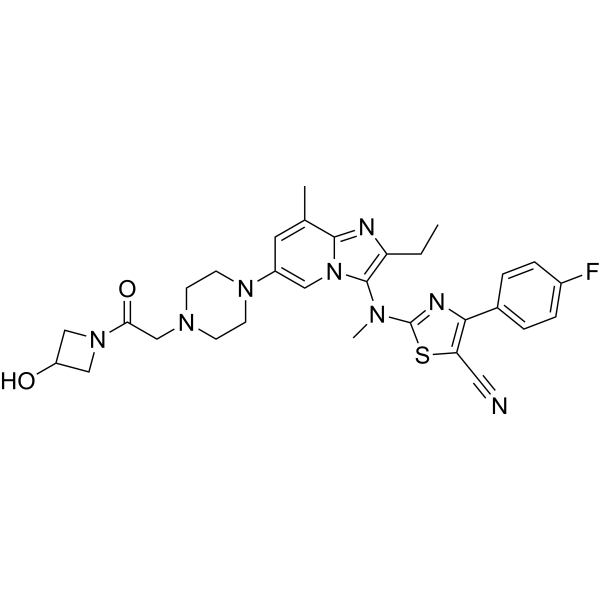
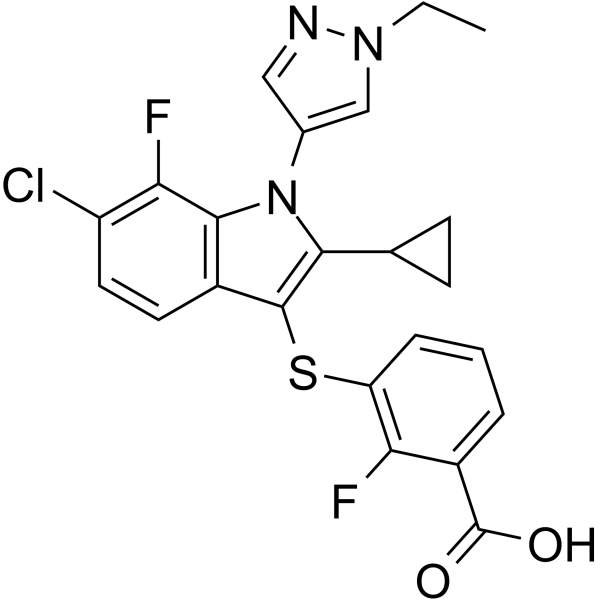
ATX inhibitor 18
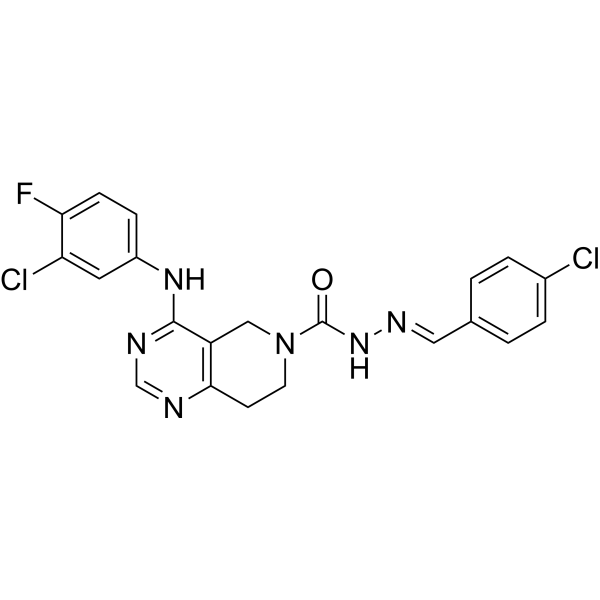 0 ImagesCat. No.: HY-146205CAS No.: 2402772-30-7ATX inhibitor 18 is a potent ATX inhibitor with an IC50 value of 24.2 nM. ATX inhibitor 18 shows antiproliferative activity and anti-fibrosis activity. ATX inhibitor 18 suppresses collagen deposition in TGF-β-mediated cardiac fibrosis.
-
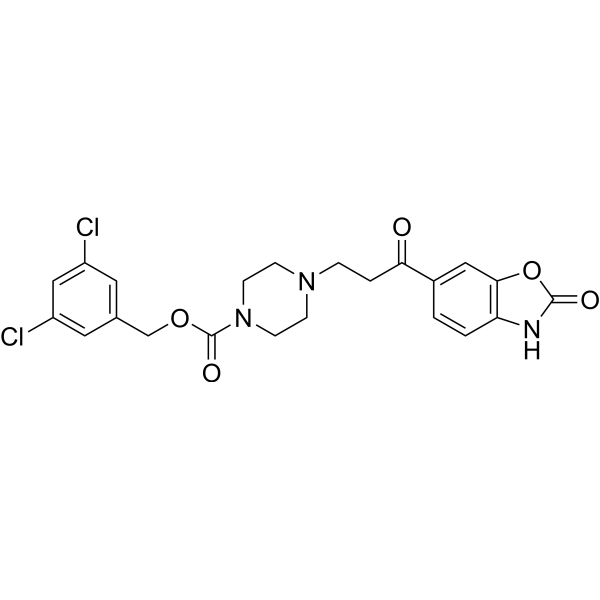
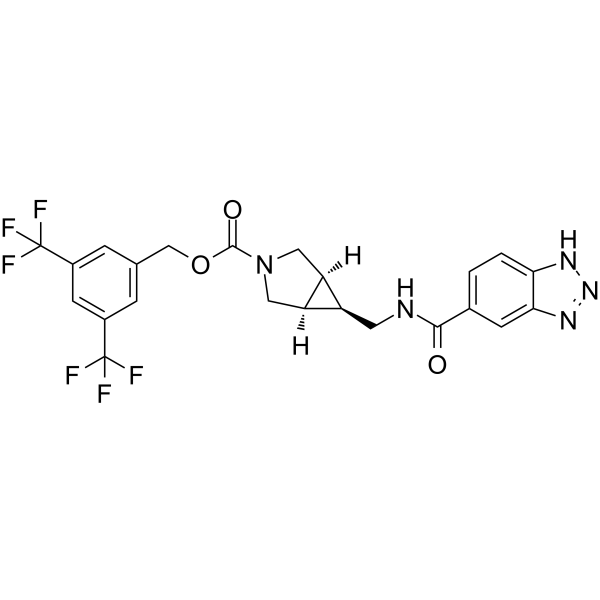
Cudetaxestat
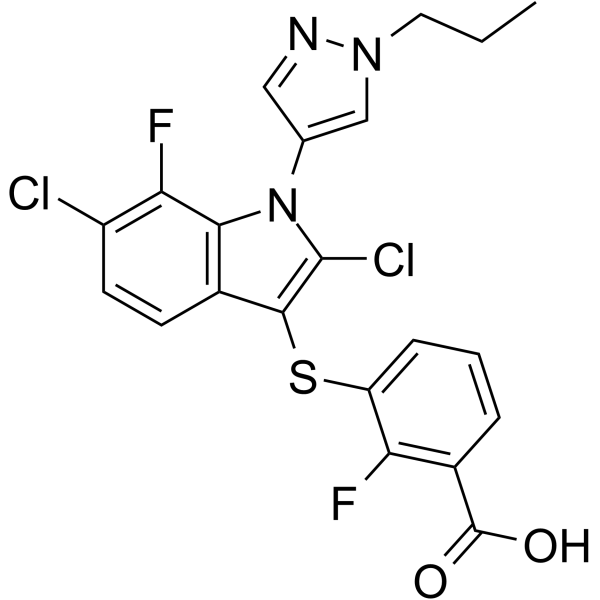 0 ImagesSynonyms: BLD-0409; PAT-409Cudetaxestat (BLD-0409; PAT-409) is an orally active and noncompetitive autotaxin (ATX) inhibitor. Cudetaxestat inhibits the activity of ATX, reduces the production of LPA, and thereby blocks the signal transduction of the ATX-LPA axis. Cudetaxestat can still maintain nanomolar-level biochemical efficacy even when the concentration of the LPC substrate increases. Cudetaxestat can be used for the study of various diseases related to LPA including fibrosis, tumor metastasis, inflammation and autoimmune diseases, etc.
-
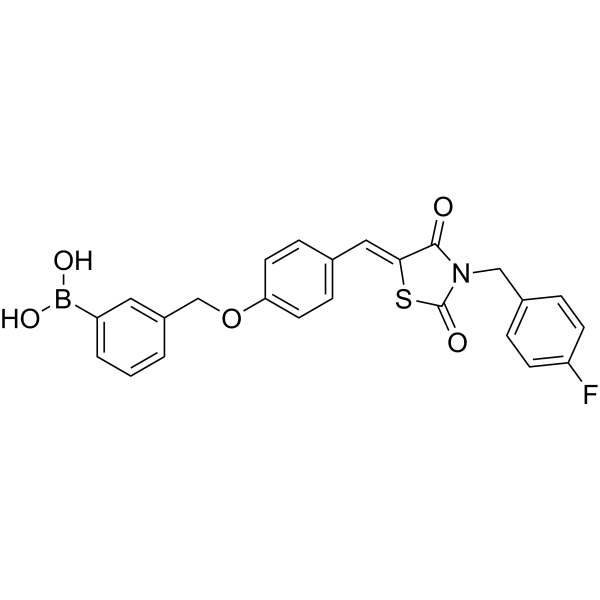
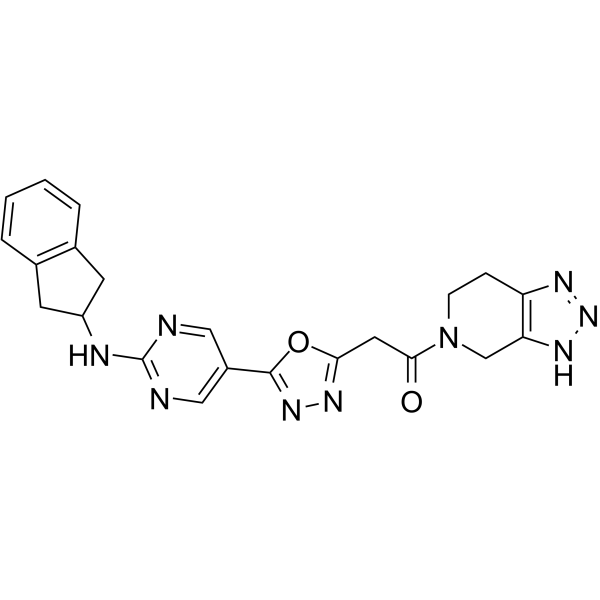
Autotaxin modulator 1
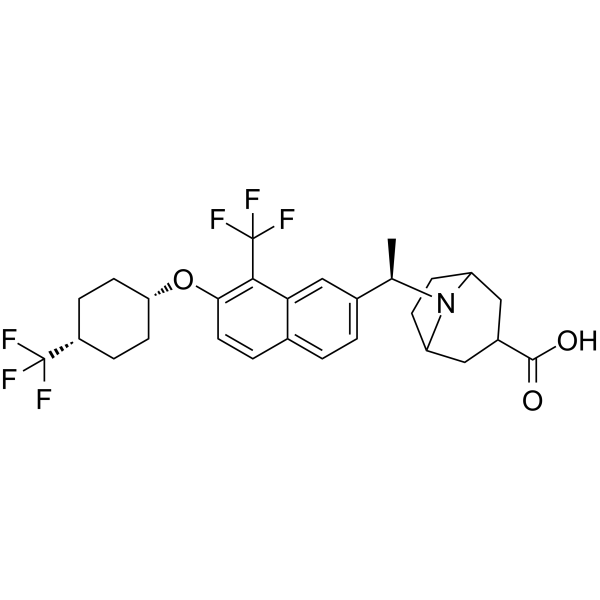 0 ImagesAutotaxin modulator 1 is an autotaxin (ATX) enzyme inhibitor, extracted from patent WO 2014018881 A1, Compound Example 12b. Autotaxin modulator 1 is expected to be useful for researching demyelination due to injury or disease, as well as for researching proliferative disorders such as cancer.
-
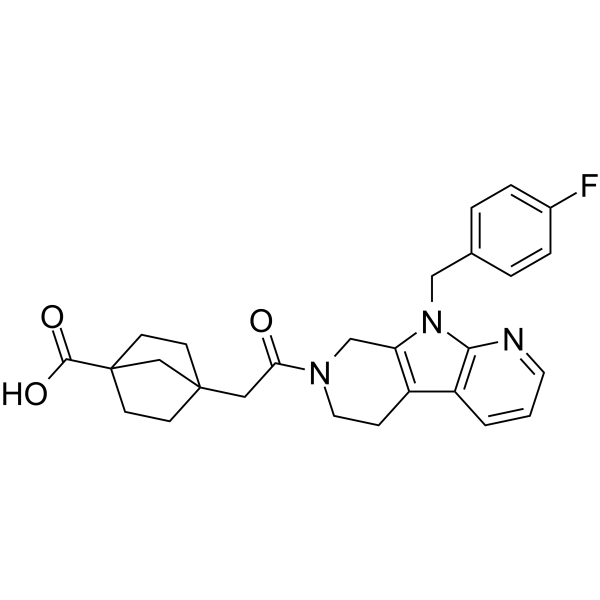
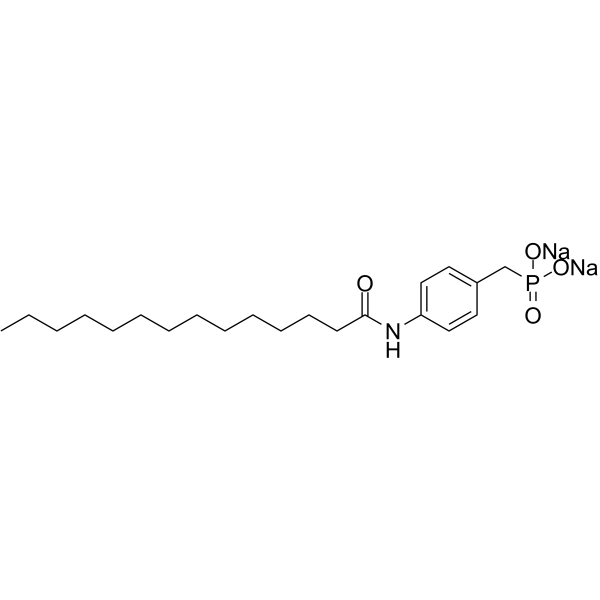
ATX inhibitor 5
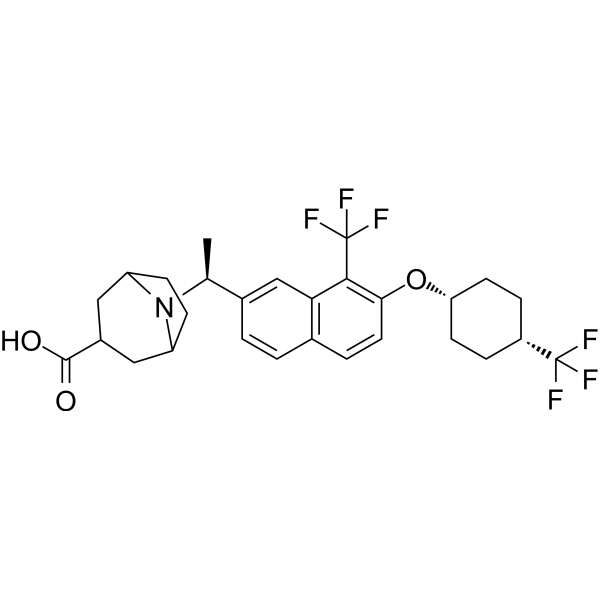
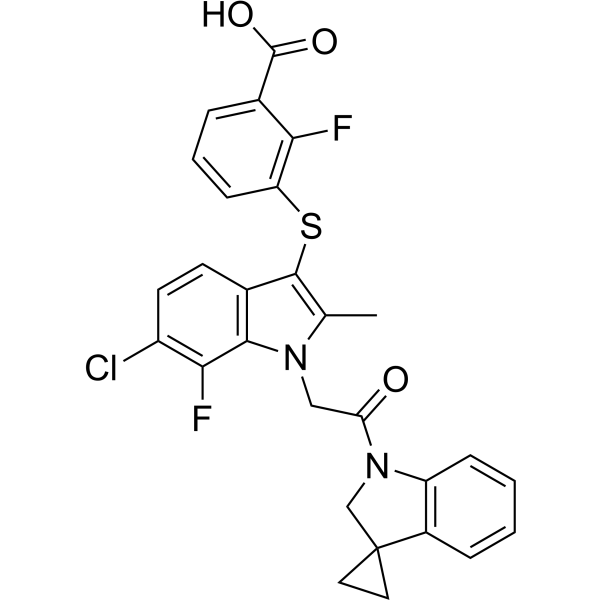
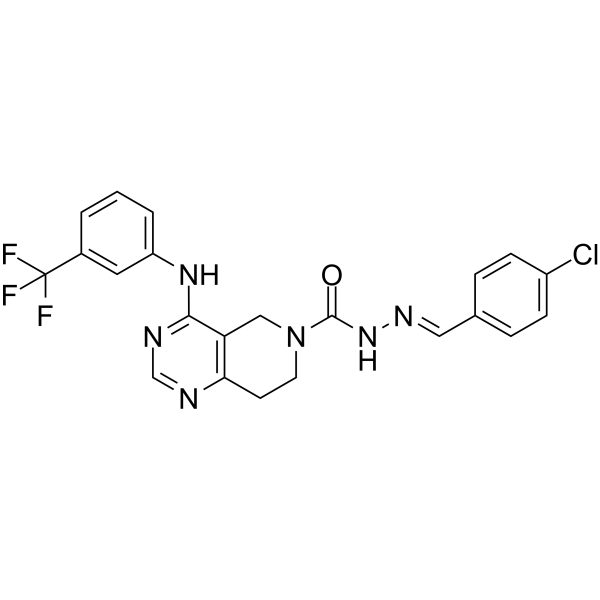 0 ImagesATX inhibitor 5 is a potent and orally active autotaxin (ATX) inhibitor, with an IC50 of 15.3 nM. ATX inhibitor 5 shows anti-hepatofibrosis effects and reduces CCl4-induced hepatic fibrosis level prominently.
-
Autotaxin-IN-6
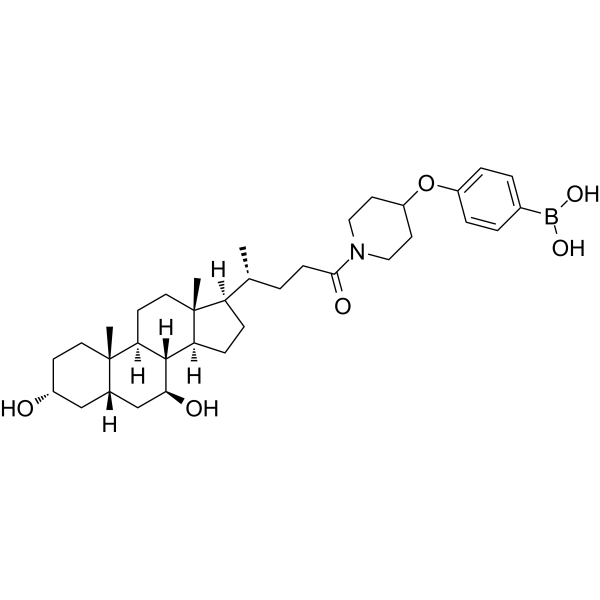 0 ImagesAutotaxin-IN-6 (compound 23) is a potent autotaxin (ATX) inhibitor with an IC50 value of 30 nM. Autotaxin-IN-6 can reduce cell migration. Autotaxin-IN-6 can be used for researching anticancer.
-
ATX inhibitor 11
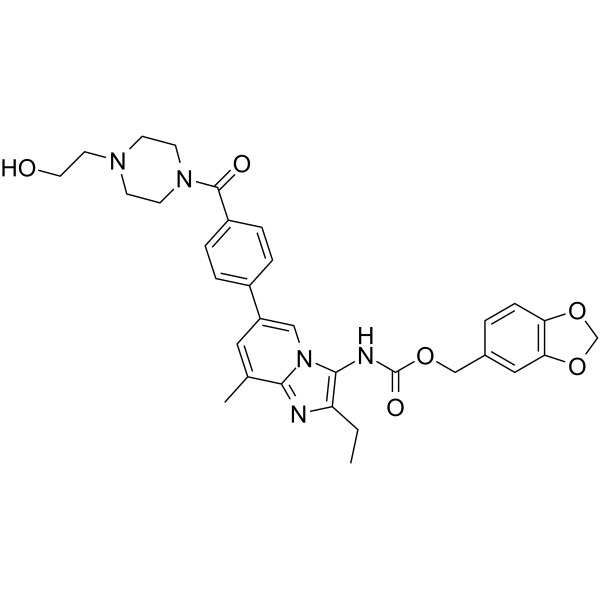 0 ImagesATX inhibitor 11 (compound 13c) is a potent ATX (autotaxin) inhibitor, with an IC50 of 2.7 nM. ATX inhibitor 11 can typically alleviate the severity of fibrosis tissues and effectively reduce the deposition of fibrotic biomarker α-SMA in mice fibrosis model. ATX inhibitor 11 can be used for lung fibrosis research.
-
Autotaxin-IN-4
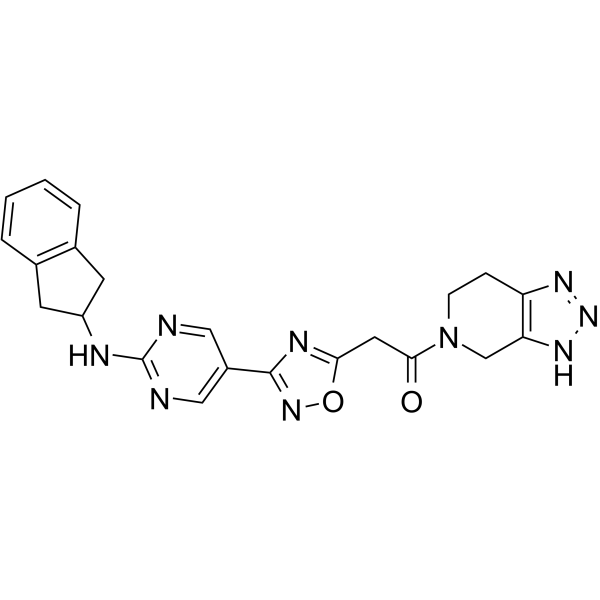 0 ImagesCat. No.: HY-135088CAS No.: 2156655-86-4Autotaxin-IN-4 (compound 51), extracted from patent WO2018212534A1, is an Autotaxin inhibitor. Autotaxin-IN-4 has the potential to treat idiopathic pulmonary fibrosis.
-
Autotaxin-IN-8
 0 ImagesCat. No.: HY-181931CAS No.: 3058084-21-9Autotaxin-IN-8 (Compound 14E) is an orally active Autotaxin inhibitor with an IC50 of 14.2 nM against hAutotaxin. Autotaxin-IN-8 inhibits Autotaxin activity, MAPK activation, LPAR1 and p-ERK1/2. Autotaxin-IN-8 reduces the phosphorylation levels of JNK and p38. Autotaxin-IN-8 decreases collagen deposition in a mouse model of pulmonary fibrosis. Autotaxin-IN-8 can be used in research related to pulmonary fibrosis.
-
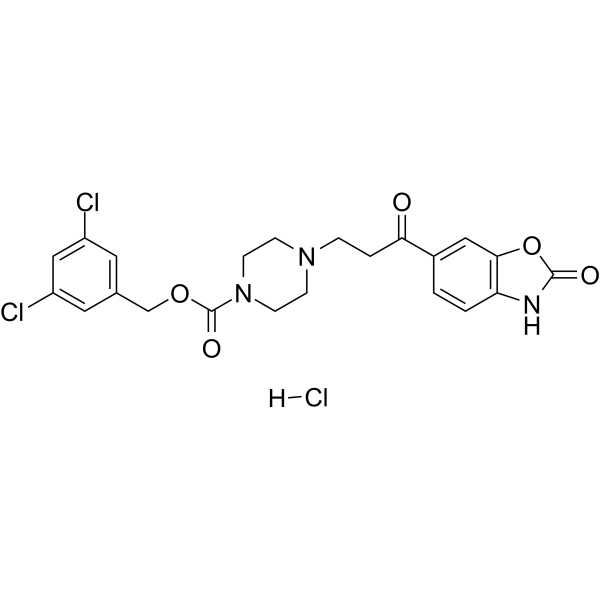
S32826
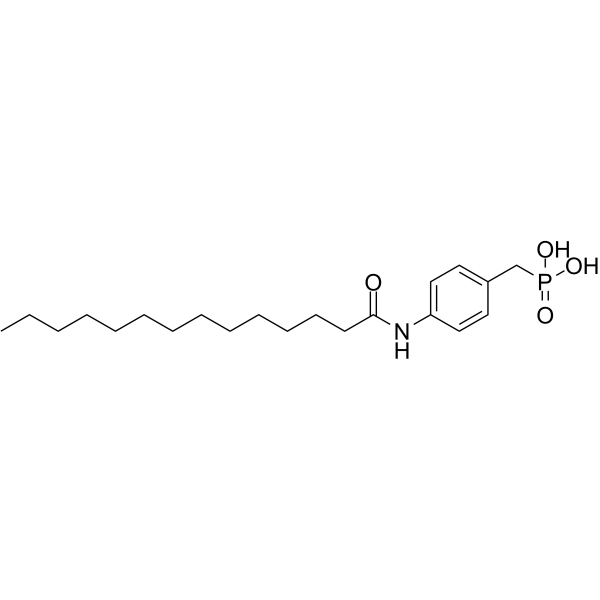 0 ImagesCat. No.: HY-103267ACAS No.: 1096770-84-1
- 1
- 2



